
Caffé Pedrocchi
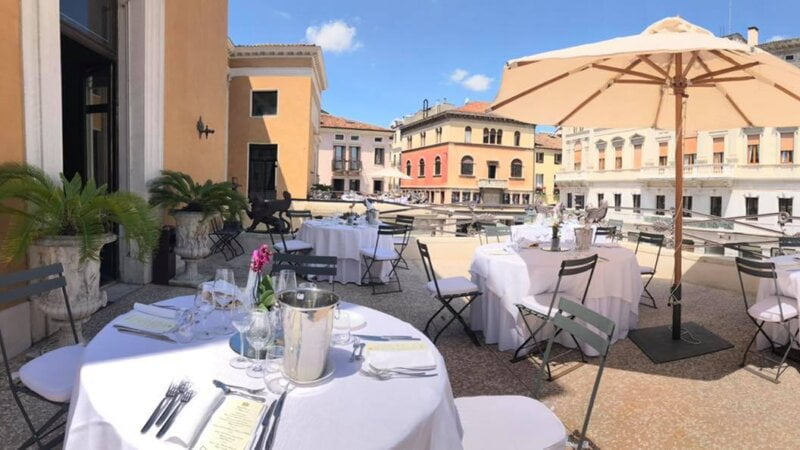
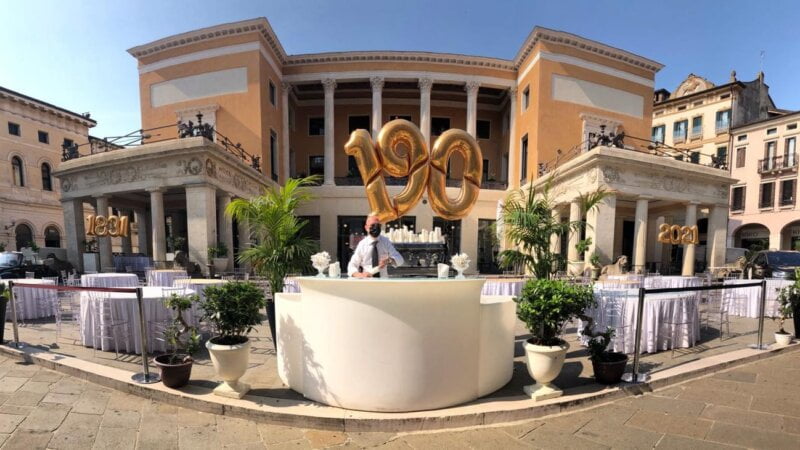

Divenne presto crocevia di intellettuali e letterati “luogo dove nascevano le idee”, dove si organizzavano feste, balli, riunioni massoniche e persino trattative commerciali, un punto di riferimento per i padovani, ma anche per i viaggiatori e gli uomini d’affari provenienti da tutta la Penisola che in quest’imponente edificio neoclassico trovavano sempre accoglienza e ristoro. Il successo fu immediato e il caffè divenne ritrovo di studenti, artisti e letterati come Ippolito Nievo o Giovanni Prati, ma anche di patrioti, come Arnaldo Fusinato. Tra gli ospiti illustri oltre a Stendhal, si ricordano Alfred De Musset, George Sand, Téophile Gauthier, Gabriele d’Annunzio, Eleonora Duse, Filippo Tommaso Marinetti e molti altri. Lasciato in dono al Comune di Padova, con l’impegno “di promuovere e sviluppare tutti quei miglioramenti che verranno portati dal progresso dei tempi, mettendolo a livello di questi e nulla trascurando, onde nel suo genere possa mantenere il primato in Italia”, il Caffè Pedrocchi ha ormai conquistato una posizione privilegiata nel centro e nel cuore di Padova.
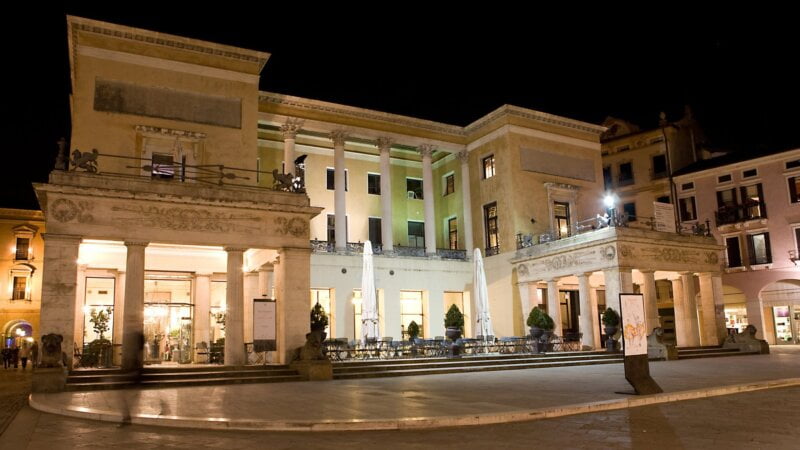
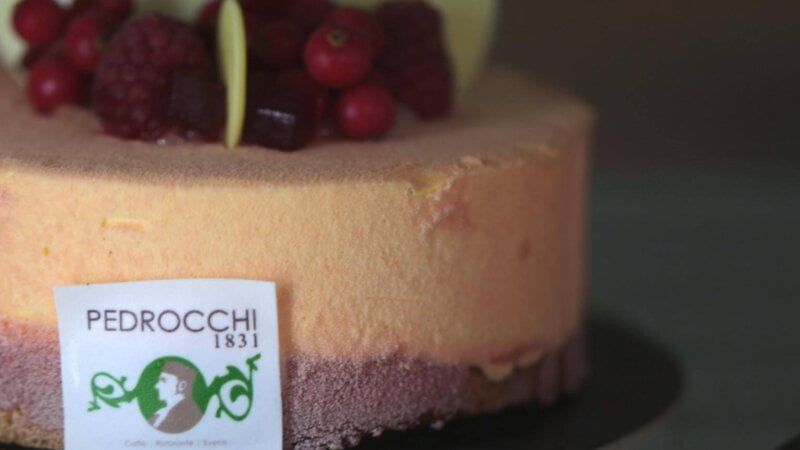
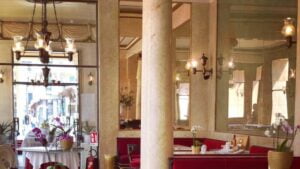
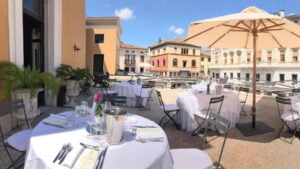
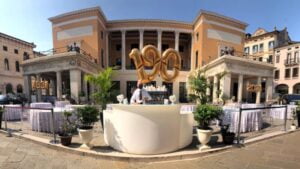
Pedrocchi is one of the symbols of Padua, a place chosen for tasting coffee and cooking. Recognized as the most exclusive venue in the city center where the most important and spectacular events are held. Without a name, of the lawn without grass and of the café without doors: the Basilica of S. Antonio, known as “del Santo”‚ the Prato della Valle, up to the 19th century without grass, and the Caffè Pedrocchi, “without doors” because it remained open day and night from its inauguration in 1831 until 1916.
The presence in Padua of a great international coffee is due to Antonio Pedrocchi, famous coffee maker, mentioned by Stendhal in “La Certosa di Parma”. At the beginning of the 19th century, nobles and bourgeois, intellectuals and commoners mixed in the numerous cafés. Antonio Pedrocchi dreamed of a monumental café, with a representative and functional architecture, located right in the center of the city, in front of the University and the Austrian Gendarmerie, and he called Giuseppe Jappelli, famous architect and engineer of Enlightenment ideas and profound connoisseur of Habsburg taste to build it. who inaugurated it in 1831.
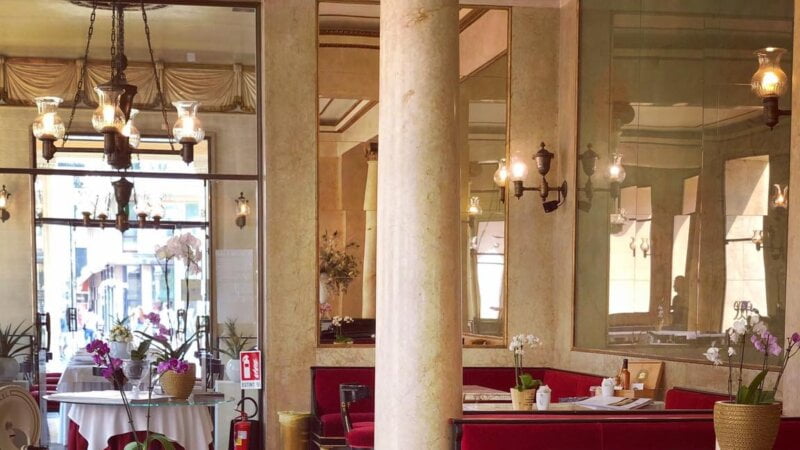
It soon became a crossroads for intellectuals and writers “a place where ideas were born”, where parties, dances, Masonic meetings and even commercial negotiations were organized, a point of reference for Paduans, but also for travelers and businessmen from the whole peninsula which always found welcome and refreshment in this imposing neoclassical building. Success was immediate and the café became a meeting place for students, artists and writers such as Ippolito Nievo or Giovanni Prati, but also for patriots, such as Arnaldo Fusinato. In addition to Stendhal, the illustrious guests include Alfred De Musset, George Sand, Téophile Gauthier, Gabriele d’Annunzio, Eleonora Duse, Filippo Tommaso Marinetti and many others. Left as a gift to the Municipality of Padua.